// Godot 4 asset //
Found Footage Camera
A 1980s video signal chain for Godot 4. Your scene is rendered normally, then put through a lens, recorded onto tape, and played back on a television. Not a filter on the finished frame: the path the picture actually travelled, in the order it travelled it.
Godot 4.7 · GDScript and GLSL · no addons or dependencies · MIT licence
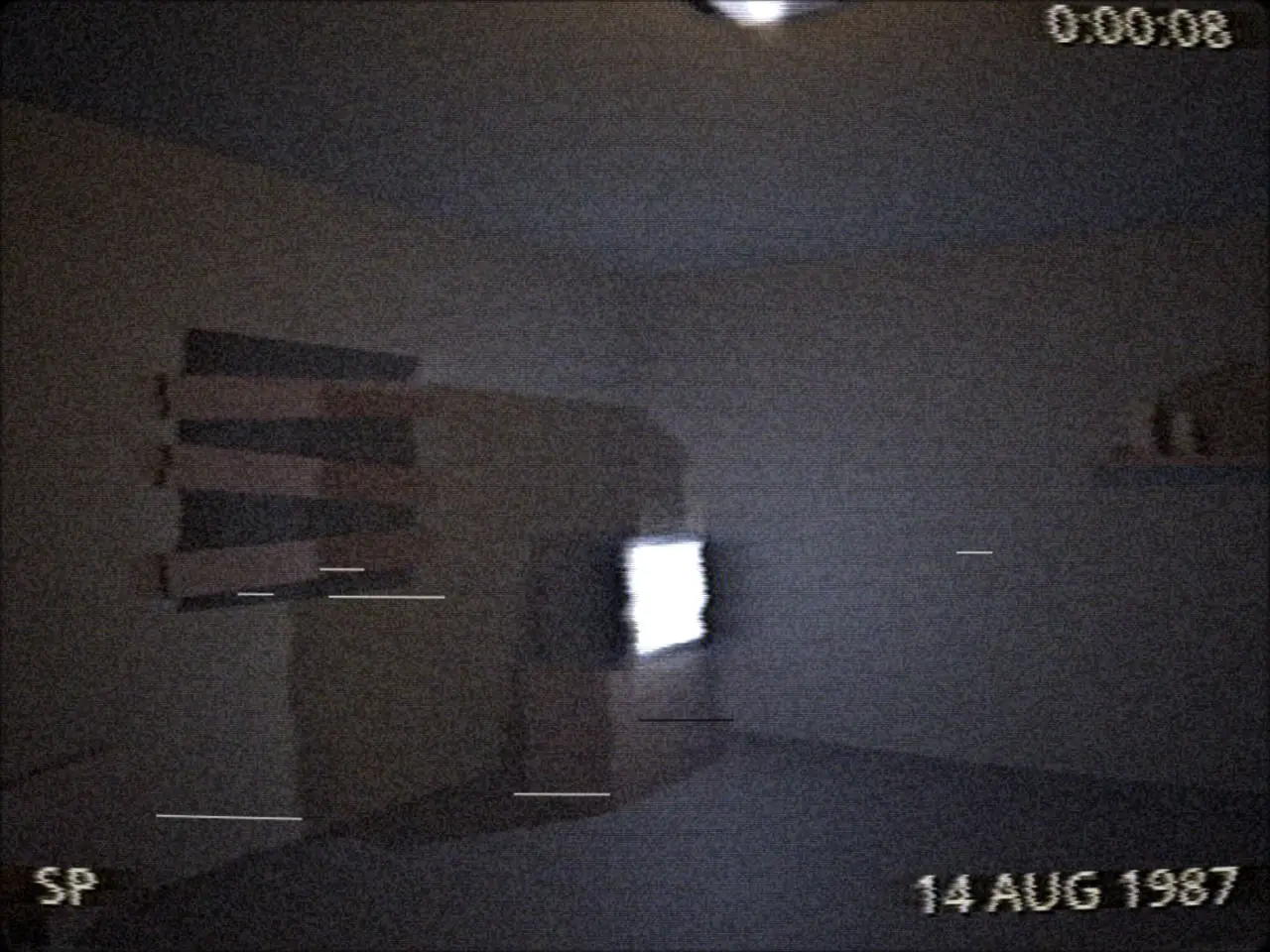
Not a filter. A signal path.
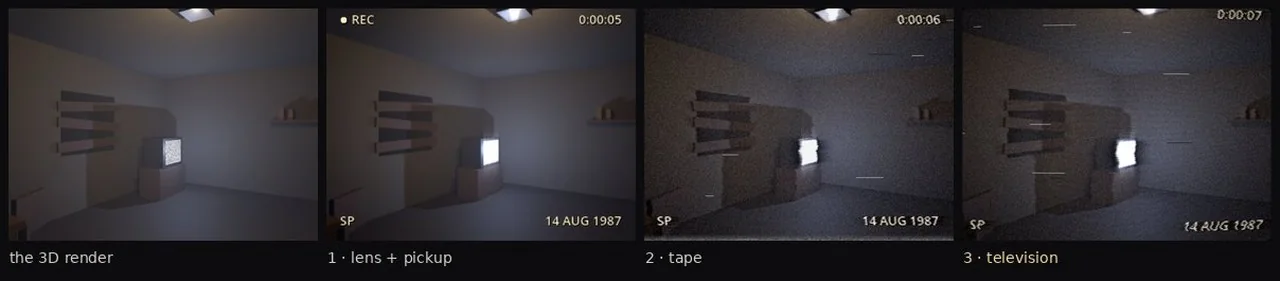
Most VHS effects are one shader dropped on the finished frame: scanlines, a wobble, some noise. Here each stage does only what that piece of equipment did, in the order the picture went through it. That ordering is why it reads as footage rather than as a filter.
- 01Your sceneRendered normally by Godot, at a 640×480 working raster.
- 02Lens and sensorA cheap zoom lens and a single-chip CCD.
- 03TapeComposite encoding and a colour-under helical-scan recording in YIQ.
- 04TelevisionThe set it was played back on.
What you get
Three shader stages
Each models one real piece of the signal path: the camera, the recording, and the set it was played back on.
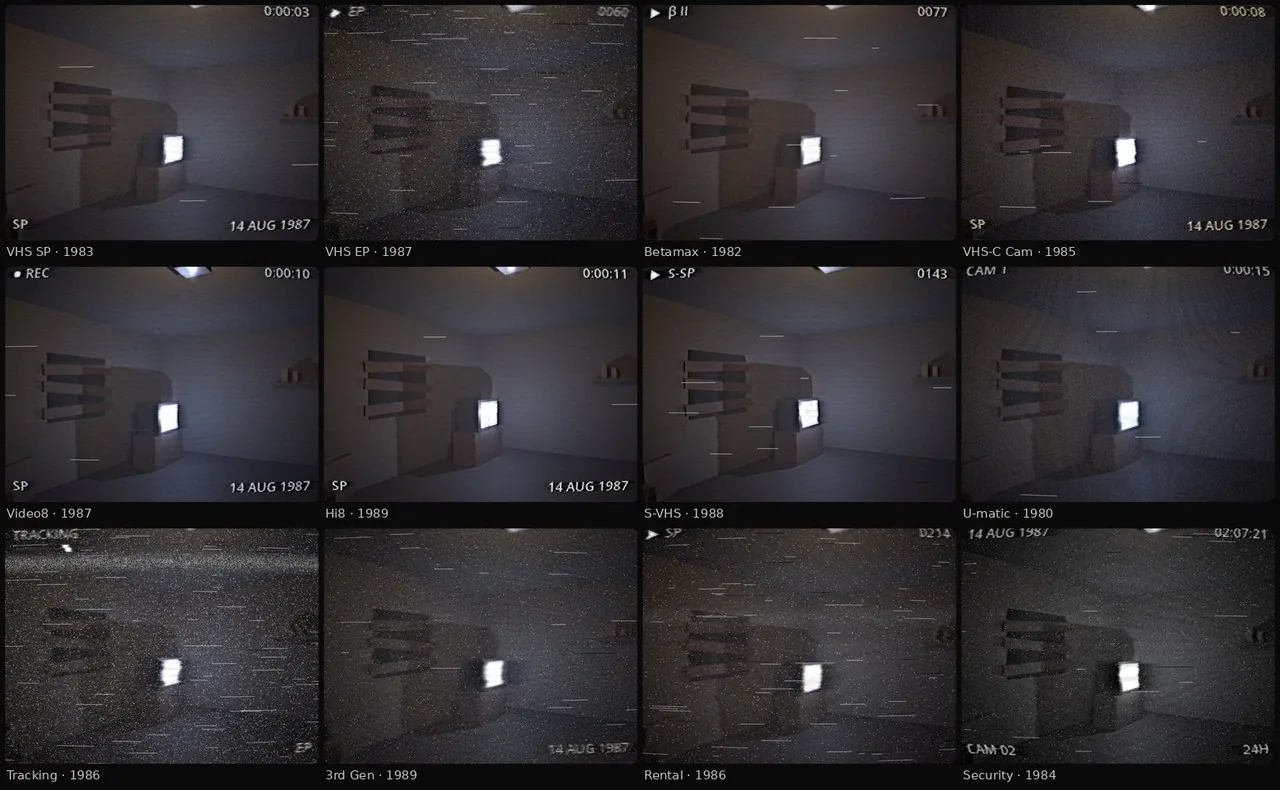
Twelve machines
From 1980 to 1989. Each is one camera plus one tape plus one television, fully described.
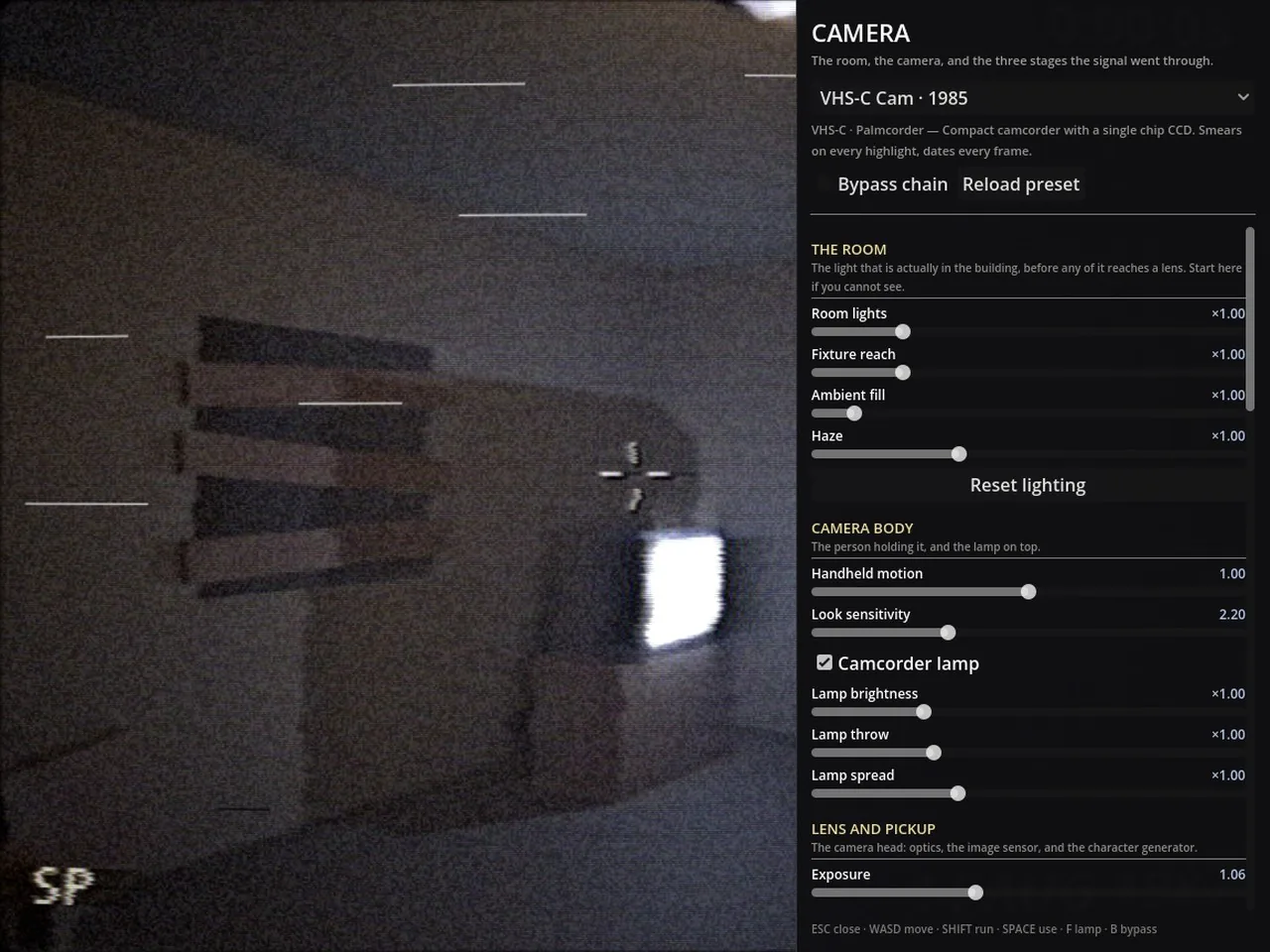
46 parameters, all live
Not “intensity 0–1”, but chroma bandwidth, pre-emphasis ringing, head-switching, time-base error, dot crawl, cross-colour and shed-oxide dropouts. All documented.
A settings menu that builds itself
Generated from the parameter schema, so every knob is tunable at runtime with an explanation attached, while the tape keeps rolling and the game is paused.
A handheld camcorder controller
Breathing that quickens when you run, wrist drift from three sines that never line up, and a knock on every footfall. No shader can add this: it has to happen before the scene is drawn.
An on-screen character generator
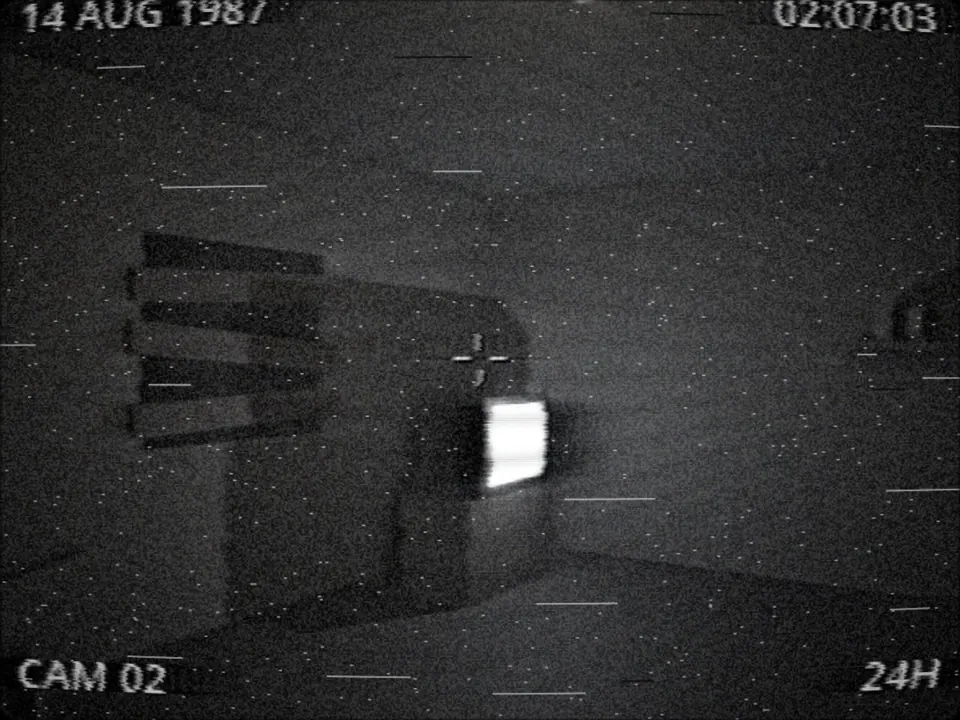
A blinking REC tally, timecode, date stamp and tape counter, composited before the recording head, so the tape damages them the way it damaged a real one.
A demo to walk through
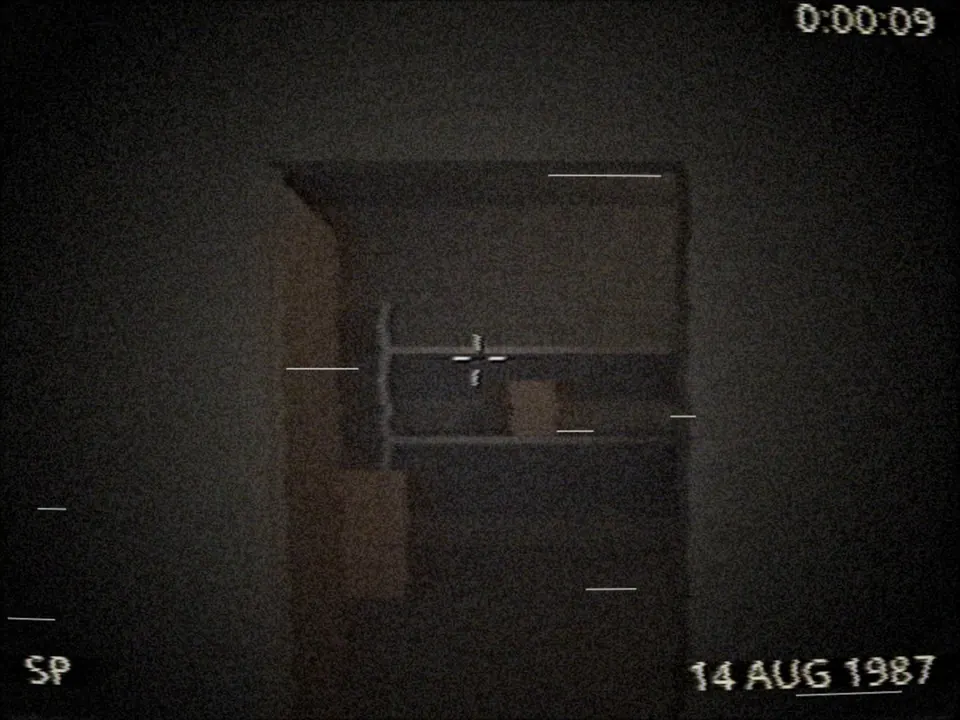
A flat, a long corridor with a failing light, a storage room, doors that open, and something that occasionally crosses a doorway.
Documentation and a tutorial
A README covering install, the scripting API, every parameter and what it physically was, plus a 14-step tutorial on how the whole thing was built.
Twelve machines, 1980 to 1989
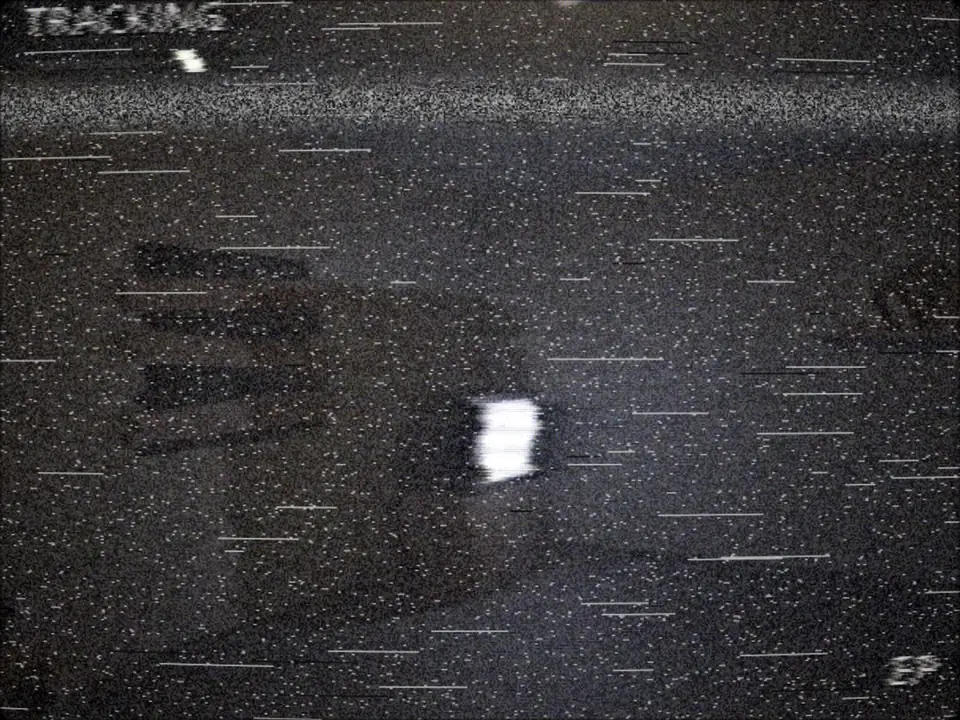
VHS SP and EP, Betamax, a VHS-C palmcorder, Video8, Hi8, S-VHS, U-matic on a pickup tube, a mistracking deck, a third-generation dub, an ex-rental tape, and a time-lapse security VCR.
Requirements and licence
- Godot 4.7. No addons, no dependencies, no external assets: the map, the character generator and the television’s snow are built at runtime.
- Every line is GDScript and GLSL you can read and change.
- The working raster is 640×480, so your scene renders at about 0.3 megapixels. On most projects the chain saves frame time rather than costing it.
- MIT licence: use it commercially, modify it, ship it. No attribution required.